What is the best month for whale watching in San Francisco?
The clearest, calmest whale month off San Francisco, which whale each season brings, and why September and October beat both foggy summer and cold winter.
 By Rachel Chen, San Francisco bay cruise specialist
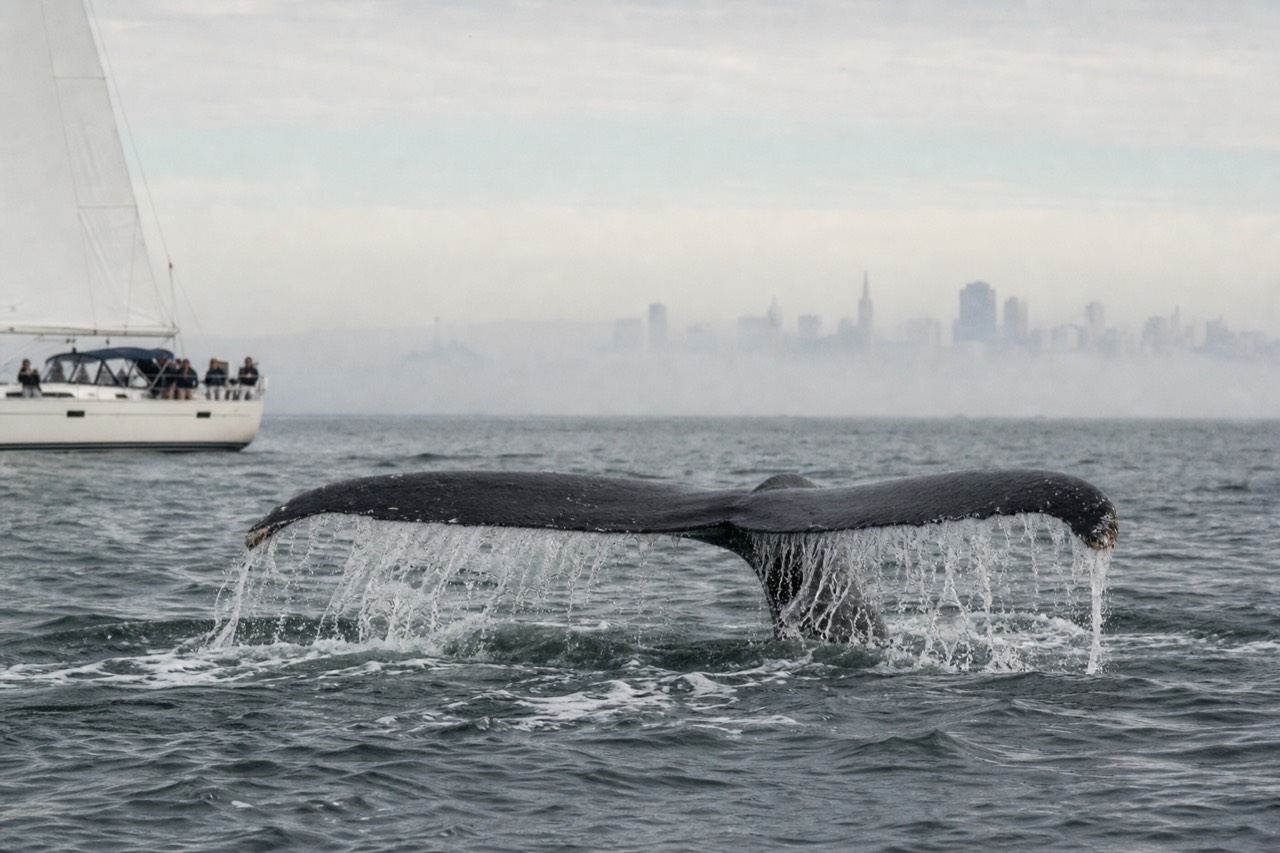
Ask a captain off Fisherman's Wharf which month is best and you get a question back: best for which whale? The animals do not all show up at once. Gray whales own the cold months, humpbacks and blues own the warm ones, and the fog owns the summer. Pick the wrong week and you might still see a whale, but you will spend it shivering on a socked-in deck squinting at grey nothing.
So the honest answer has two layers. There is the month with the best raw odds of any whale, and there is the month that pairs strong sightings with weather you will actually enjoy. Those two answers point at slightly different times of year, and knowing the difference is the whole game.
So what is the single best month for whale watching here?
September and October are the best all-round months. They land squarely in humpback and blue-whale season, when the offshore feeding is at its peak, and they are also the clearest, warmest, calmest weeks of the San Francisco year, once the summer fog has finally burned off. If you want one whale trip to go well, book early fall.
The reason early fall wins is that it stacks two good things on the same calendar. The whales are here in force, feeding on the rich upwelling near the Farallon Islands, and the marine layer that smothers the coast all summer has mostly cleared out. You get a real shot at a humpback or a blue, and you get to see it in warm light on water that is not trying to throw you around. That combination does not exist in July, when the whales are around but the fog is thick, or in January, when the sea is clear enough but bitterly cold.
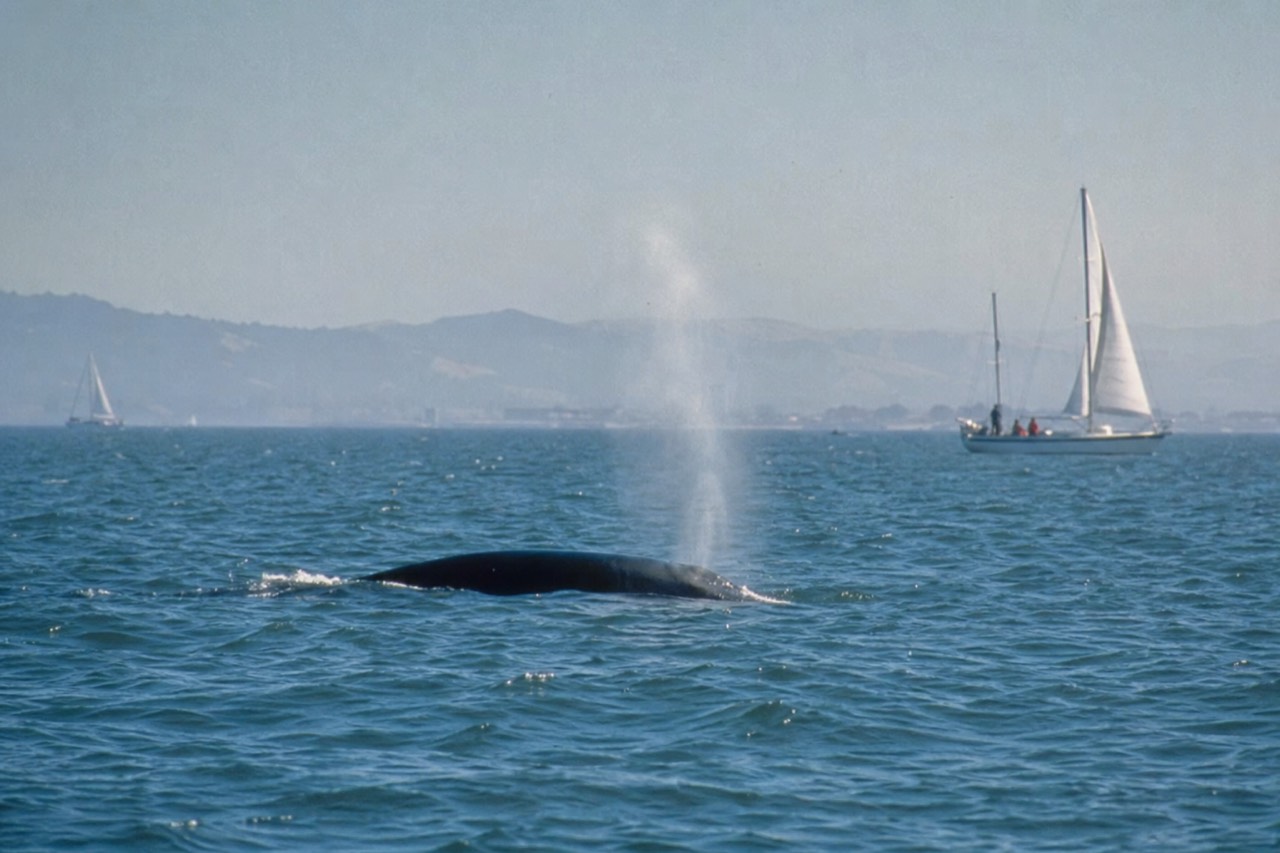
That said, if a gray whale is specifically what you came for, flip the calendar. Grays migrate past this coast from roughly December through April, so a winter trip is the right call for them even though the weather is cooler. There is genuinely no dead month here, which is why the site San Francisco Bay Cruises frames the choice around the whale you want rather than promising one perfect date for everyone.
What does each season actually deliver?
Winter and early spring, December to April, are gray-whale season along the coast. Late spring through fall, May to November, is humpback and blue-whale season on the offshore banks, strongest from July onward and peaking in September and October. Summer brings the whales but also the fog; fall keeps the whales and drops the fog.
The National Oceanic and Atmospheric Administration sorts the Greater Farallones sanctuary calendar the same way every year: grays in the cool months, humpbacks and blues in the warm ones. Up the coast, the National Park Service tracks the gray migration from the headland, where Point Reyes whale watching peaks southbound around December to February and northbound March through May. Blue whales, the largest animals ever to live, tend to arrive latest, clustering from August into October.
| Month range | Main whale | Sea and sky | How it rates |
|---|---|---|---|
| December to February | Gray whale, southbound | Cool, occasional crisp clear days | Good for grays, dress warm |
| March to May | Gray whale northbound, humpbacks arriving | Variable, spring wind building | Shoulder season, mixed |
| June to August | Humpback, blue whale building | Foggy mornings, choppy off the Gate | Whales present, comfort low |
| September to October | Humpback and blue whale peak | Clearest, warmest, calmest | The best overall window |
| November | Humpback and blue tailing off | Cooler, still clearer than summer | Strong late-season odds |
Recent seasons have sharpened the picture in a good way. Through the summer of 2026 boats logged humpbacks close to the Golden Gate, some approaching within a boat's length, and gray whales have increasingly pushed into the bay itself rather than staying out along the open coast. When your dates are set, you can check the season's departures and the live price on the operator's page; the reviews and the rating are shown on the listing.
Why do September and October beat foggy summer?
San Francisco runs backwards from most beach cities: its foggiest, coldest season is high summer, when the marine layer pours off the Pacific and sits over the water. That fog thins in September, and by early fall the bay is at its warmest and calmest. Same whales as August, far better viewing and a far more comfortable deck.
This is the part visitors get wrong most often. They assume July and August, the school-holiday months, must be prime whale time, and the whales are indeed around. The problem is what sits on top of them. On a socked-in summer morning the fog can hide the water a few hundred yards out, chill an open deck to the bone, and leave the swell off the Gate lumpy and grey. The whales are there; you just cannot see or enjoy them as well.
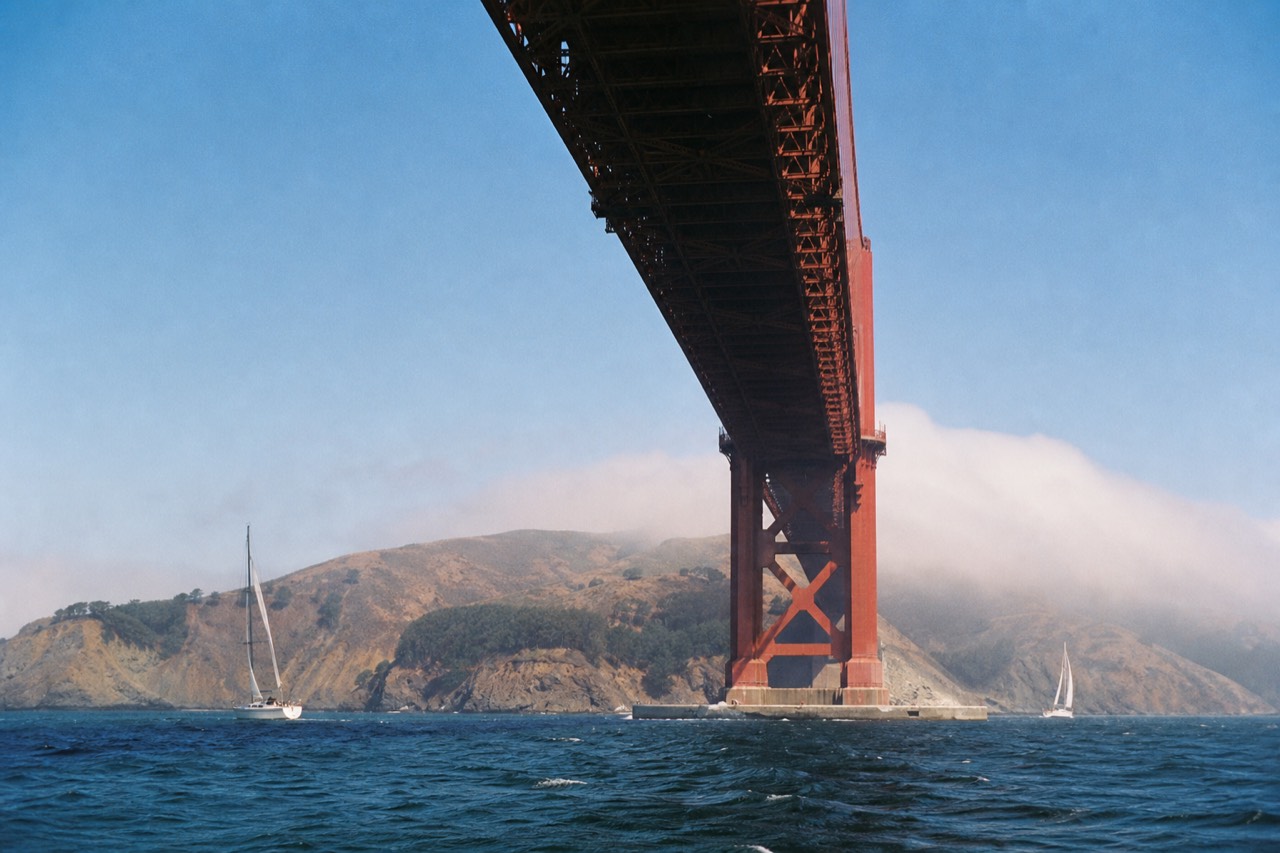
Come September the pattern breaks. The fog retreats, the afternoons warm, the water flattens, and the humpback and blue feeding is still going strong offshore. If you have any flexibility at all in your travel dates and whales are the priority, weight them toward those two months. The Red & White Whales of the Bay naturalist cruise, rated 4.7 across 31 reviews and running Saturday mornings roughly April through October, catches the tail of that peak window nicely; you can check the Saturday sailings and the live price on the operator's page.
Which whale trip fits your month?
Match the boat to the season. December to April, book a gray-whale trip and dress for cold water. May to November, book for humpbacks and blues, ideally in September or October. A short coastal naturalist trip suits most visitors in any month; save the long, rough offshore Farallones run for calm early-fall days and a settled stomach.
There is no month you cannot go, only months that favor different whales and different comfort levels. If you are still deciding between the calm coastal trip and the open-ocean expedition, our full whale-watching guide lays out the seasickness trade honestly, and if you are simply wondering whether you will spot anything at all, can you see whales in San Francisco covers the real odds. Weighing San Francisco against another California port? Our take on San Francisco versus Monterey for whales compares them fairly. The three trips below are the shortlist to book once you have picked your window.
Frequently asked questions
What is the best month for whale watching in San Francisco?
September and October are the best overall, pairing peak humpback and blue-whale season with the clearest, calmest, warmest weather of the year once the summer fog has lifted. For gray whales specifically, book December through April instead. Every month here offers some whale, but early fall gives you the strongest odds and the most comfortable deck.
Can you see whales in San Francisco in summer?
Yes. Humpbacks and blue whales feed offshore from roughly May through November, so summer sightings are common. The catch is the weather: heavy marine-layer fog often rolls in on summer mornings and evenings, chilling the deck and cutting visibility. The whales are there; September and October simply show them to you in far better conditions.
When can you see gray whales near San Francisco?
Gray whales pass this coast from roughly December through April on their migration. The southbound push peaks around December to February and the northbound return runs March through May. In recent years grays have increasingly entered the bay itself, so winter sightings inside the Golden Gate have become more frequent than they used to be.
Is winter a good time to go whale watching in San Francisco?
For gray whales, yes. December through April is their season along the coast, and the winter air is often clearer than the summer fog, if colder. Dress in real layers, take motion-sickness tablets before boarding, and expect a cooler, sometimes lumpier ride. You will miss the humpbacks and blues, which return in late spring.
How likely are you to see a whale off San Francisco?
Strong in season, but never guaranteed. Coastal humpback sightings have been close and frequent through recent summers, and full-day offshore expeditions cite historical sighting rates around 96%. A whale is still a wild animal, so treat any encounter as the bonus it is, match your month to the whale, and keep your expectations honest.